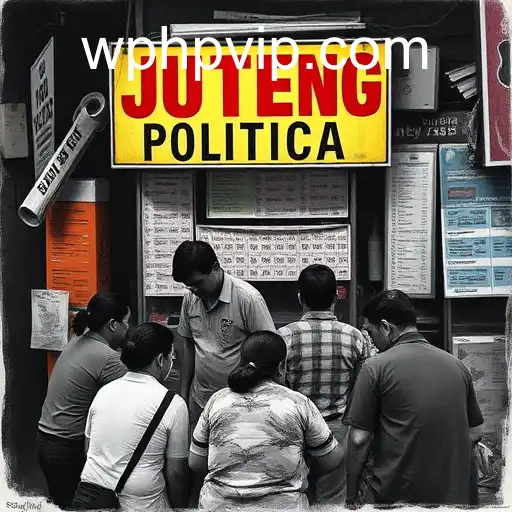
The Enigma of Jueteng: A Closer Look
Jueteng is an illegal numbers game that has woven itself into the socioeconomic fabric of the Philippines. Despite numerous government crackdowns, this underground lottery persists, driven by the allure of quick wealth and deeply entrenched monetary networks. The phenomenon of jueteng transcends a mere game—it embodies a cultural paradox involving poverty, politics, and predation.
Understanding Jueteng: A Cultural Mainstay
Jueteng finds its roots in Spanish colonial times. Originally seen as a harmless diversion, it proliferated among the masses as an accessible gambling option. Its continued popularity can be attributed to its integration into daily life. For many Filipinos living in poverty, jueteng represents a glimmer of hope, a small chance to escape financial constraints, however fleeting.
The game’s mechanics are simple yet compelling. Players wager on a combination of numbers, typically ranging from 1 to 37, drawn twice daily. Winners enjoy a substantial payout relative to their stake, adding to the game’s appeal. The widespread participation in jueteng can partly be seen as a response to the economic instability plaguing vast portions of the population.
Jueteng and Politics: A Synergistic Cycle
The symbiotic relationship between jueteng operators and political figures cannot be overemphasized. Politicians, often accused of turning a blind eye, are suspected of directly benefiting from jueteng's revenues. This deep-seated connection influences political outcomes, enables corruption, and fosters an environment where informal agreements thrive over official legislative intents.
Jueteng has, over the years, become a part of the political narrative, with allegations tying local governmental figures to sponsorships or tacit approvals. Such involvement ensures a mutual benefit—operators get protection and politicians secure votes through financial support or vote-buying funded by jueteng proceeds.
Efforts to Combat Jueteng
Several administrations have launched anti-jueteng campaigns, ranging from sporadic arrests of operators to high-profile exposes. Despite these attempts, success is limited due to several factors including inadequate law enforcement, insufficient legislature, and the deeply woven societal acceptance of this gambling practice. Moreover, the benefits enjoyed by those in power create resistance to fully eradicating jueteng.
The Socioeconomic Dimensions of Jueteng
A closer look at the socioeconomic dimensions presents another layer of understanding. The grassroots nature of jueteng allows an equitable entry-point for stakeholders. With low buy-ins and high potential returns, economically disadvantaged individuals see it as a valid avenue for improved livelihood.
For operators, jueteng becomes a substantial business model, creating jobs indirectly through collectors and facilitators, establishing a micro-economy within communities. These aspects manifest in the semblance of societal benefit, reinforcing its persistence.
The Role of PHPVIP and Technological Influences
The gambling landscape in recent years has seen the rise of digital platforms such as PHPVIP, which offer a more modern approach to traditional forms of gambling like jueteng. These technological influences bring with them efficiencies in operation and outreach, potentially changing the dynamics of how games like jueteng could be played and managed.
However, the digitalization via platforms like PHPVIP can exacerbate existing issues by increasing accessibility and anonymity, complicating regulatory efforts, and potentially expanding jueteng’s reach beyond traditional geographical confines.
Conclusion
Jueteng is deeply embedded in the cultural and economic framework of Filipino society. Its persistence is a testament to the complex interplay of societal needs, political influences, and economic desperations. Understanding jueteng is more than acknowledging its existence; it is a reflection of the multifaceted layers of Filipino society, extending beyond mere entertainment to touch on issues of poverty, power, and progression.